Uncategorized

The Macaron Cake Challenge

The best thing about making mistakes is learning from them. When I started my baking journey, I made every mistake under the sun. You can bet, however, that I have never made the same mistake twice…Well, sometimes I have a short memory and I have made the same mistake twice. Some lessons are harder to learn than others. And some students are completely oblivious to the lesson in front of them.

Macarons have been one such lesson. When I first made macarons, I was only focusing on the fact they had their signature feet and ignored that they had little nipples on their tops and bottoms. I chalked it up to the fact that I wasn’t very good at piping. I came to realize in my most recent attempt that there was something more to getting the shells nice and smooth. I will share with you shortly.

Macarons are so finicky. It’s often said that you should never make macarons while it is stormy outside. It can, however, be stormy inside and it will not affect the macarons whatsoever. Though it would put you in a terrible mood.

I am happy to say that after the storms inside and out, and the thousands of macarons that I’ve made, I have perfected the elusive macaron.

Tips to achieving the perfect macaron:

1. Do yourself a favor and buy a kitchen scale. This is just good sense in general if you are an avid baker. Measuring ingredients ensures that your baking comes out the same every single time. There are too many variables when using cups. Say flour for instance, between scooping directly from the bag or carefully spooning directly into your measuring cup, you are going to get a different amount. (Unless the recipe specifically states to spoon and level the flour, but its still not 100% accurate every time.

2. Now that you have a kitchen scale, measure every single ingredient exactly! This includes egg whites, my friend! Most recipes will give you an amount in grams and then go on to say about 2 medium sized eggs. I have learned the hard way that going by the weight of the eggs whits is the way to go!

3. Sift, sift, sift, sift, and when in doubt…..sift. The key to a perfectly smooth macaron shell is making sure you don’t have chunks of almonds in the batter when you pipe. Don’t forget about sifting the powdered sugar as well. Leave nothing up to chance!

4. Which brings me to the next point, grind that almond flour until it is dust. The finer the better. I prefer to grind the almond flour by itself instead of whit the powdered sugar. Just to ensure that all of the flour gets evenly grounded.

5. Make sure you whip the egg whites until there are stiff peaks. Stiff meaning when you lift the whisk, the peaks stand straight up and don’t curve down. You your egg whites are too soft, it affects how they bake. You may wind up with meringue cookies. Still delicious, but you’d be laughed out of France for trying to pass them off as macarons.

6. Now this point was eye opening to me. When it comes to the macaronage (*See note) stage the key is making sure all of the air that you so lovingly whipped into the egg whites gets knocked out. I KNOW! Why go through all that effort just to undo it? I don’t know the science behind it all, all I know that it is extremely necessary if you want smooth macarons with beautiful sexy legs.

7. The macaronage step is the most tedious step of them all. Make sure you Slooooowly fold in your dried ingredients. After they are combined continue to Slooooowly fold the batter. Be warned it may take awhile and your fingers and wrist may start convulsing before its ready. You’ll know you’re done when it drips off the spatula like lava and you can trace a figure 8 several times before it breaks off. This is a step that I had not done properly until just recently and it makes a big difference.

8. When piping your batter, make sure your bag is straight up and down. Otherwise you’ll get lopsided shells. If you measured out your circles, stop piping before you reach the edge. The batter will naturally spread a bit more during the semi-aggressive tray slamming part.

9. Now about that tray slamming, make sure you slam firm enough to be rid of all the air bubbles. Don’t go too crazy, but also don’t be a wuss about it.

10. Don’t skip the resting. The circles should be dry to the touch before you put in the oven. Depending on how warm it is in your kitchen the time will vary.

And there you have it!

This whole macaron lesson came about when I was asked to make a macaron cake. Essentially, a giant macaron! Who wouldn’t want to take on this exciting challenge. After all of the research I did on macarons and the notes I took, I discovered that I had created my own recipe for macarons based on various elements of other recipes. A Frankenstein’s monster of macaron recipes if you will.

Sophia’s French Macaron

Yields: 20 regular, 40 small, or 1 7” cake

Prep: 60 minutes

Bake: 10-30 minutes

Ingredients:

For the Macaron Shells:

150g ground almonds

150g powdered sugar

110g egg whites, room temperature

1 tsp vanilla

1/4 tsp salt

150g sugar

Gel food coloring of choice

For the Filling:

7oz butter, room temperature

9oz sweetened condense milk

1 tsp vanilla

Directions:

1. Line few baking sheets with parchment paper. Trace circles of your preferred size of macaron or a 7 inch circle for the cake.

2. Weigh the ground almonds in a medium sized bowl. Then, pour into a food processor and pulse until it is the consistency of sand. Using a coriander, sift the powdered almonds into a bowl. Weigh the powdered sugar and sift into the bowl with the ground almonds. Stir the two together then set aside.

3. Weigh the sugar in a small bowl. Set aside.

4. Separate your room temperature eggs and measure out the egg whites. Pour the egg whites into the bowl of your stand mixer. Start whipping the egg whites until they are frothy. Once frothy add the sugar (a Tablespoon at a time), vanilla, and gel food coloring. Continue whisking on high until the egg whites have stiff peaks. Stop and check every few minutes. It’s just as bad to over-whip as it is to under-whip.

5. Once you have stiff peaks, sift the powdered sugar/almond mixture in with the egg whites. With a spatula, slowly start folding it in. Start by going under the mixture up to the top. Once the dried ingredients are incorporated, continue folding for several minutes, stopping to check every few folds how the batter drips off the spatula. The batter should deflate a bit and start to get thinner and smoother.

6. When you have achieved the right consistency (figure 8 several times and dripping with lava-like consistency) gently pour the batter into a piping bag fitted with a round tip. With the bag straight up and down, start piping in the center of your circles until just before they reach the edge, stop squeezing the bag and lift with a small rotation to attempt a smooth top (Don’t worry if there’s a slight peak, the slamming process should flatten it out.) If you are piping into a 7 in circle use the same technique but perhaps with a large round tip.

7. Once all of the batter has been piped, take each tray and firmly slam them a few times on the counter. This will help smooth your tops a bit more. The 7 in circles may take a little bit longer since there’s more batter to work with. Use your best judgement.

8. Allow them to rest until the tops are dry to the touch. About 30 minutes.

9. Preheat the oven to 300F for regular macarons or 285F for the macaron cake.

10. Bake the regular macarons one tray at a time for 10 minutes on the center rack.

11. Bake the macaron cake for 30 minutes. Once 30 minutes have pass, turn off the oven and crack open the door. This will help dry out the large macaron a bit more and will prevent cracking.

12. Allow to cool fully on the tray for a few minutes before transitioning to a wire rack to cool completely before filling.

13. In the bowl of your stand mixer, add the butter and mix until light and fluffy. About 5-7 minutes.

14. Add the vanilla. Gradually add the sweetened condense milk in thirds, mixing after each addition.

15. Once incorporated the buttercream is ready to use.

16. Transfer the buttercream to a piping bag with a star tip (Or any other tip of your choosing!)

17. Pipe the center of half the macarons and gently place the other half on top pressing down slightly.

18. For the cake, start to pipe around the circumference of the bottom shell. Be carefully not to pipe too close to the edge. Work your way around to the center of the shell. very Gently place the top shell on and press slightly down. Use the remaining, buttercream to decorate the top as you see fit.

As the French say: “Bon Appetit!”

Baking, Uncategorized

The Viennese Whirls Challenge

This past Sunday, I had booked us in for a family portrait session. Since James was born, we haven’t had a good picture of the three of us. I thought that this upcoming holiday season was a good reason to get some nice holiday photos. We planned this for months. Painstakingly figuring out outfits for all three of us. What color scheme to use and if it was possible to wear what we already owned. Roydon had a very nice green button up shirt and a silver tie. The rest of our outfits went off of that. I happened to already own a silver sparkly sweater that would match and look festive. The only thing we needed was an outfit for James.

I found the perfect little set. It was a green, plaid button up shirt with khakis and a gray bow tie. We switched out the khakis for jeans so we could all match. I was so excited to see my little man all dressed up. He looked so adorable. I couldn’t stop giggling and cooing over him. James seemed to like his ensemble as well. After getting ourselves ready we were on our way. We parked and started getting James out of the car seat when we realized that he had blown out of the diaper and up his back. What were we to do?! We did not have as spare change of clothes that would be appropriate for our pictures. We ended up changing his diaper and wiping down James and his nice clothes as best as we could. We then proceeded to take the pictures and hurried home to throw his clothes in the wash.

Besides that unfortunate incident, the photo session went incredible well. We have some very sweet pictures of James and of our little family. I’m so excited to get them in the mail. James is so darn photogenic. 

It’s buttery, it’s crumbly. It almost dissolves in your mouth. Absolutely delicious” ~Paul Hollywood

I got to be honest, I almost forgot to do the challenge this week. Between James’ early morning jam sessions and attempting to keep up with my daily chores, I completely lost track of time. Before I knew it, it was already Thursday. Luckily, this recipe had very basic pantry items, so I was able to accomplish it in no time. 

These beautifully attractive biscuit sandwiches were relatively easy to put together. A nice surprise to a very exhausting week. For the biscuits, all that was needed was butter, powdered sugar, flour and corn flour (or as we Americans use, corn starch). That hardest part came in piping the batter in pretty swirls. The batter was extremely thick, and it took all of my strength to get it out. I wouldn’t say they were a very pretty sight, but it’ll do. While they baked in the oven, I started on the filling. 

L

The filling was also simple to put together. It was basically similar to an American buttercream; butter, powdered sugar and a small bit of vanilla extract. That was whipped up until it came together to a creamy consistency. 

While I was laying out the cooled biscuits to begin assembling, I was joined by my little assistant. He recently discovered the kitchen and always makes his way in to join me. Can’t say I minded too much and he was so proud of himself.  

I just want to note that while the recipe includes making your own raspberry jam, I did not. I have tried making jam before and I haven’t quite mastered it. The jam always ends up way too liquidly which wouldn’t work in this case. So instead of ruining the rest of the challenge, I opted for using some raspberry preserves that I had on hand. 

I spread the raspberry preserves on one side of the biscuits and then piped the other biscuit with the icing filling. I then started to press the two sides together. On my first attempt, I cracked one of the biscuits. I didn’t realize they’d be so fragile. I was careful with the rest of them, but still managed to break on other one. They looked so amazing. I could not wait to try one.

OH. MY. GOODNESS. These were so mouthwateringly good! They simply melted in your mouth! The combination of fruit and icing was such a flavorful. I shouldn’t be surprised with how much they melted in your mouth considering they are basically nothing but butter. I will definitely be making these again. Though I better start doing some hand exercises. 

Viennese Whirls

(pbs.org)

Ingredients:

For the jam

200g (7 oz) raspberries

250g (9 oz) jam sugar

For the biscuits

250g (9 oz) very soft unsalted butter

50g (1 ¾ oz) icing sugar

225g (8oz) plain flour

25g (1 oz) corn flour

For the filling

100g (3 ½ oz) unsalted butter, softened

200g (7 oz) icing sugar, plus extra for dusting

½ tsp vanilla extract

Directions:

1. For the jam, put the raspberries in a small, deep-sided saucepan and crush them using a potato masher. Add the sugar and bring to a boil over a low heat. When the sugar is melted, increase the heat and boil further for 4 minutes. Remove from the heat ad carefully pour into a shallow container (pass it through a sieve if you’d rather not have seeds in your jam). Leave to cool and set.

2. For the biscuits, preheat the oven to 375° F. Line 3 baking sheets with non-stick baking parchment. Using a 2in round cutter as a guide, draw 8 circles on each sheet of paper, spaced well apart. Turn the paper over so the pencil marks are underneath.

3. Measure the butter and icing sugar in a bowl and beat until pale and fluffy. Sift in the flour and corn flour and beat well, until thoroughly mixed. Spoon the mixture into a piping bag fitted with a star nozzle. Pipe 24 swirled rounds (not rosettes), inside the circles on the baking sheets.

4. Bake in the center of the oven for 12-15 minutes, until pale golden-brown. Cool on the baking sheets for 5 minutes then carefully transfer to a wire rack to cool completely and harden.

5. For the filling, measure the butter into a bowl and sift the icing sugar on top. Add the vanilla and beat with a wooden spoon or an electric whisk until very light and smooth. Spoon into a piping bag fitted with a large star nozzle.

6. Spoon a little jam onto the flat side of 12 biscuits and place jam side up on the cooling rack. Pipe the butter cream over the jam and sandwich with the remaining biscuits. Dust with icing sugar to finish.

Baking, Uncategorized

The Frosted Walnut Cake Challenge

I’m back with another Technical Challenge from The Great British Baking Show! I had taken a year hiatus because of my pregnancy and the birth of our son, James. Motherhood has been quite an interesting and amazing journey so far. My time had been consumed by this little nugget. I honestly wouldn’t have it any other way. He is now 5 months old and able to play more independently, which grants me a little time here and there to get chores done or to start baking again! We have been so blessed with James. He is extremely easy going and has a hilarious personality. He’s just one giant goofball. Just this past week, he has mastered rolling over. Since then, He hasn’t stopped moving. Before I know it he’ll be crawling and then walking. I’m not sure I’m ready for that yet. It already feels like my little boy is growing up too quickly, and I keep picturing that sad day when he leaves home for good. Until then, He is going to be my little baking assistant.

I think baking is very rewarding, and if you follow a good recipe, you will get success.” ~Mary Berry

I make my return to this blog by taking on Mary Berry’s Frosted Walnut Cake. Upon looking at the recipe, the only true challenge I saw was with the boiled icing. First a show of hands, who has never heard of boiled icing? Me neither, although the method to creating this icing was very similar to making Swiss Meringue Buttercream. The big difference between the two is that boiled icing does not use butter. All it needs are egg whites, sugar, and cream of tartar to help with stability. Using a double broiler, the ingredients are whipped into submission until thick. The recipe said it’ll take 10 minutes, but after 30 minutes of vigorous hand whisking I could not get it thick enough. So with the assistance of my KitchenAid mixer, I had produced a beautiful icing. 

The cake itself was very simple to throw together. Ground walnuts, self-rising flour and baking powder for the dry ingredients, and eggs, butter and sugar for the wet ingredients. The batter resembled that of banana or (more appropriately) nut bread. I spread the batter evenly over two 8 inch spring form pans and baked in the oven for a little over 30 minutes. Once finished, it was a simple matter of waiting for it too cool on a wire rack before proceeding to assemble. 

Since the icing sets extremely quickly, I had to make it after the cake was cool. Once it was ready, I coated the two layers in the boiled icing and attempted to make it look beautifully swirly the way Mary Berry does it in her cookbook. However, she really wasn’t kidding when she said it sets quickly. So although it doesn’t look perfect, I was proud of how it spread on the cake. 

The finishing touches were the candied walnuts. Sugar and a couple tablespoons of water went into a saucepan in an attempt to caramelize it so that I can coat the 10 halves of walnuts in it. However, I started having issues with the caramel browning. It stayed clear until all the liquid had disappeared and I was left with dry clumps of sugar that refused to melt and only stuck to the pot. I found it so strange since I have made caramel several times before. I added a little bit more water and allowed it to boil again before coating the walnut halves. Once they were cooled I decorated the top of the cake. 

I was able to try this cake out on a couple of friends who came over for dinner. They both absolutely loved it. One even commented on the how the boiled icing was an older technique that their mother would always use on their cakes. I loved the cake as well. The Icing was incredibly sweet but it paired well with the not as sweet cake. The texture of the icing reminded me a bit of a marshmallowy Pavlova. We all enjoyed a second helping, and the cake was gone by the second day. 

I may actually add this cake to my arsenal. It was very simple to bake and I’d like to try my hand at getting the swirl design better. Next week, I will be attempting a more savory bake: Gluten-Free Pita Bread!

Frosted Walnut Layer Cake

(From Mary Berry’s Baking Bible)

Ingredients:

For the Cake:

225 g (8 oz) Softened Butter

225 g (8 oz) Sugar

4 Large Eggs

225 g (8 oz) Self-Rising Flour

100 g (4 oz) Finely Chopped Walnuts

For the Frosting:

2 Large Egg Whites

350 g (12 oz) Sugar

4 Tablespoons Water

¼ Level Teaspoon Cream of Tartar

For the Caramelized Walnuts:

2 Tablespoons Water

100 g (4 oz) Sugar

10 Walnut Halves

1. Preheat the oven to 300° F. Grease three 20 cm (8 in) cake tins then line the base of each tin with baking parchment.

2. Measure all the ingredients for the cake into a large bowl and beat until thoroughly blended. Divide the mixture equally between the tins and level the surfaces.

3. Bake in the pre-heated oven for about 25-30 minutes until the cakes are golden and springy to the touch. Leave to cool in the tin for a few minutes then turn out, peel off the parchment and finish cooling on a wire rack.

4. For the caramelized walnuts, tip the sugar and 2 tablespoons water into a pan and heat over a low heat until the sugar begins to melt. Increase the heat and cook the caramel to dark golden color. Remove from the heat, add the walnut halves and swirl to coat in the caramel. Transfer the walnut to a silicon sheet and leave to set.

5. For the frosting, measure all the ingredients into a bowl over a pan of hot water and whisk for 10-12 minutes until thick. Sandwich the cake layers together with a little of the frosting, then use the remainder to cover the top and sides of the cake, swirling the icing to form softened peaks. Work quickly as the icing sets rapidly. Leave to set in a cool place, but not in the fridge. Decorate with the walnut halves.

Uncategorized

The Gluten-Free Dacquoise Challenge

Have you ever had one of those days where you ruin everything you touch in the kitchen? Have you ever cried over something as trivial as cake before? Both has happened to me this past week. They definitely weren’t my proudest moments. Just as I was feeling pretty good about my baking skills, the world reminded me that I still have a lot to learn. 

As I started the Dacquoise challenge, I had also decided to bake a cake for Roydon’s work. The recipe I choose would have created a rich chocolate cake with strawberry cream cheese frosting in between layers and a beautiful drizzle of chocolate ganache gracefully dripping down the sides. I didn’t choose a particularly difficult cake to bake, and I didn’t want to resort to just using a box of cake mix. 

The cake didn’t rise and ended up chewy and rubbery. Cream cheese frosting was looking really nice, until I added the pureed strawberries, then it became an overly watery mess that spilled out over the sides of the cake. The chocolate ganache, which I have made dozens of times at this point, also ended up too watery and didn’t maintain a graceful drip look. The entire cake looked as if Dorothy just splashed water on it and was screaming “I’m melting, meeeeelting!” I tried the best I could to salvage this train wreck but to no avail. It was not suitable for him to bring to work. 

With the entire day’s work seemingly wasted, I had a bit of a meltdown. Maybe I should give up, I’m no good, it’s too hard. Roydon calmed me down by saying “Even professional bakers make mistakes and have bad days.” And you know, he’s right. Don’t tell him I said that… People tend to broadcast only their success and not the failures that led to their success. Every mistake is a moment to learn. I learned that I added too much cream to the chocolate in creating the ganache. That the pureed strawberries added more moisture to the cream cheese making it watery. I still haven’t quite figured out what went wrong with the cake itself…maybe it was just a bad recipe, which leads me to my lesson of only choosing recipes from a reliable source. I need to be better at doing my research. Baking is science, after all. It takes some studying. 

I had a ton of leftover strawberry cream cheese goop and ganache. And so, hating to waste it, I made a quick graham cracker crust and created a sort of “ice cream cake”. Between these three fail cakes and the Dacquoise, Roydon and I now have an abundance of cakes…so if anyone is interested in helping us dispose of them….please. 

This French classic of three layers of meringue with hazelnuts in the meringue mixture. If they roast them too dark, they’ll be bitter. If they chop them too finely, this releases too much oil and then the meringue will go runny.” Mary Berry (Season 2, Episode 8)

Yes. More meringue, more egg whites…Sigh. I think challenge may have trumped the Princess Cake in hatred I have for it…maybe. The first trouble I had was in blanching the hazelnuts. It took an hour and a stiff neck to ensure that all of the skins fell off the nut.

img_1653

Once that was done, I could finally start on the recipe. I mixed up the meringue and gently folded in the chopped roasted hazelnuts, praying that I didn’t deflate the meringue too much. I then piped the meringue out on the prepared trays. 

After about 5 minutes in the oven, I knew something was wrong…The meringues were already beginning to color. I kept rotating the trays around in the oven, but by the time the making was finished I had one meringue disc that was burn beyond repair. So, I threw that layer away and create another one. This time I used almonds since I didn’t have enough hazelnuts. 

img_1656

The coffee custard was straightforward like any other custard. I was thrown momentarily by the ingredient called Camp Coffee Essence. Upon research, it was either a coffee extract or instant coffee. I could not find coffee extract in the store, so I used instant coffee for the custard. Everything turned out beautifully. 

The ganache I made turned out perfectly to pipe on top of the meringue layers. The only thing left to make was the pralines. This would take some quick movements since the caramel hardens very quickly. After the sugar melted in the pan, I was to pour a teaspoon of lemon juice in with the hazelnuts. As soon as I pour the lemon juice in the pan, however, the caramel began to harden instantly and I had great difficulty in separating 12 clusters of three hazelnuts before becoming forever incased in the hard caramel. 

img_1660

Assembly of the layers should have been pretty straightforward, however, I found that my discs of meringue were not the same size and so it made applying the custard along the sides of the cake very difficult…I was thankful that I had placed the entire thing on a cooling rack with a sheet of parchment paper under the cake to catch any droppings. It was a mess. Luckily, I was finally able to finish the dacquoise and have a fairly presentable finish. 

Although I will probably never make a dacquoise again, I actually enjoyed eating it. It wasn’t overly sweet and the coffee in the custard wasn’t overwhelming. Overall, it was refreshing, but no…never again.

Hazelnut Dacquoise

From BBCfood.com

Preparation time: over 2 hours

Cooking time: 1 to 2 hours

Serves: 8-10

Ingredients

250g/9oz blanched hazelnuts

300g/10 ½ oz. caser sugar

25g/1oz cornflour

6 large egg whites

Pinch salt

For the Chocolate Ganache

150g/5 ½ oz. plain chocolate (around 35% cocoa solids), chopped

110/ml/3 ¾ fly oz. double cream

For the Coffee Custard Filling

600ml/20fl oz. full-fat milk

3 large egg yolks

125g/4 ½ oz. caster sugar

2 tbsp. Camp coffee essence

50g/1 ¾ oz. cornflour

300ml/10fl oz. whipping cream

For the Hazelnut Praline

50g/1 ¾ oz. caster sugar

36 whole blanched hazelnuts

½ tsp lemon juice

For the Decoration

100g/3 ½ oz. roasted, chopped hazelnuts

Method

1. For the dacquoise, preheat the oven to 180C/fan 160C/350F/Gas 4. Tip the blanched hazelnuts into the bowl of a food processor and pulse until coarsely ground. Spreadthe nuts out in a layer in a roasting tin and bake for 10-12 minutes or until golden-brown, stirring every three minutes.
2. Remove from the oven, transfer to a large bowl and leave to cool. When cool, stir in 100 g/3 ½ iz of the caster sugar and the corn flour
3. Reduce the oven temperature to 150C/130C (fan)/Gas 2
4. Line three baking trays with parchment paper and, using a small dinner plate as a guide, draw a 21cm/8 ¼ in diameter circle on each. Set aside. Carefully position oven racks in the upper, middle and lower third of the oven.
5. Make the meringue by pouring the egg whites into the clean bowl of a free-standing mixer fitted with the whisk attachment. Add the salt and whisk on medium speed for about two minutes, or until white and frothy. Increase the speed and add the remaining 200g/7oz caster sugar, one tablespoon at a time, to make a stiff, glossy, peaked meringue. Gently fold the ground hazelnut mixture through the meringue.
6. Spoon the meringue mixture to a large piping bag fitted with a 1.5cm/ 5/8/ in plain nozzle and pipe the meringue into a spiral starting at the center of each circle and working outwards to fill your template.
7. Bake for one hour, rotating the top and bottom baking trays halfway through cooking. Keep an eye on the meringues toward the end of cooking as they may catch and darken too much. Turn off the oven and leave to cool in the oven, with the door open, for at least 45 minutes.
8. For the chocolate ganache, place the chopped chocolate in a heatproof bowl. Pour the cream into a pan and heat until simmering. Take off the heat and pour the cream over the chocolate. Stir until the mixture is smooth. Cool, then place in the fridge to chill until really thick. Spoon the ganache into a piping bag fitted with a medium star nozzle. Set aside. (If the ganache is too stiff, allow to come to room temperature and beat with a wooden spoon until a smooth piping consistency.
9. For the coffee custard filling, heat the milk in a heavy-based pan and bring to the boil over a low heat. Meanwhile in a medium bowl, whisk the egg yolks, caster sugar and coffee and chicory essence together. Whisk in the cornflour, one tablespoon at a time. Pour the hot milk over the egg mixture, whisking continuously, then pour back into the pan. Bring to the boil, whisking continuously, reduce the heat and simmer, whisking for 2-3 minutes, or until smooth and very thick. (You need to use a whisk during this process as the mixture will suddenly thicken and form lumps.) Remove from the heat and leave to cool for at least an hour.
10. Whisk the whipping cream in a bowl until soft peaks form when the whisk is removed from the bowl. Fold half of the cooled coffee mixture into the cream, adding as much as necessary to form a spreadable consistency.
11. For the hazelnut praline, line a baking tray with non-stick baking paper. Melt the caster sugar in a small frying pan until it turns golden-brown or reaches 300C/572F on a sugar thermometer. Add the hazelnuts and lemon juice, stir well and tip onto the lined baking tray. Using two teaspoons and working quickly before the caramel sets, form 12 praline clusters of three hazelnuts each for decoration.
12. To assemble the dacquoise, place one of the meringue layers on a large, flat serving plate and spread with one-third of the coffee custard filling. Place another meringue layer on top and spread with another third of the coffee custard filling. Top with the final meringue layer and spread the remaining coffee custard filling on the sides of the dacquoise, leaving the top bare. Press the roasted chopped hazelnuts onto the sides of the dacquoise to cover. Pipe 12 swirls of chocolate ganache on the top of the dacquoise and decorate with the hazelnut praline.
Uncategorized

The Choux Religieuse Challenge

I have been dreading this challenge for a while. Actually, since watching the episode and seeing all of these bakers struggling to make the darn things stay perched on top of the other. I don’t claim to be a very tidy person. I do try, very hard most days. It seems no matter what I do, I make messes. Whether its baking and I drip milk across the floor or when I’m eating a salad and I haven’t noticed that a drip of balsamic dressing has escaped my lips and is now running down my chin. I love when that happens. It’s so not embarrassing to have someone point out that you are dribbling like a 3 month old baby. 

Given, I do have a slight excuse for that. I actually don’t have any feeling in my bottom lip. When I was a freshman in college, I underwent jaw reconstructive surgery to repair the massive under bite that I had. One of the risks for this surgery was the potential for permanently killing nerves. That is exactly what happened. Of course, I didn’t realize that the nerves were dead in my lip until after all of the swelling had disappeared and I could feel the rest of my face. The doctor did say that the feeling in my lip could come back eventually. It’s been nine years now, I’m pretty sure this is to stay. 

I honestly don’t even notice it any more (except for those couple of high points during dinner). It gives me a humorous anecdote whenever answering one of those large group ice breaker questions “Tell us one fun fact about yourself.” 

This’ll take careful baking. Firstly, they must make choux pastry. They’ve got to get it to the right consistency. It’s got to be stiff enough to pipe. They must make crème patissiere. If it’s too runny, it’ll ooze out. If it’s too stiff they won’t get it out of the piping tube. (Ganache) is quite tricky to get that wonderful shine. This is, without a doubt, a difficult challenge. This is going to sort them out Mary Berry (Season 2, Episode 7)

As intimidating as this challenge looked, the ingredients were pretty basic. The choux bun only needed butter, flour and eggs. However, the order in which they were heated and combined was definitely the key to success. Adding the eggs too early and while the pan is too hot would result in scrambled eggs. The butter and the flour needed to cook quite a bit before the eggs were gradually added. 

With everything going smoothly, and the consistency of the dough where I needed it to be, I decided to get a little fancy with my social media. I set up a makeshift studio. Comprised of a stack of books in front of my working counter, with my iPad perched on top ready with the hyper lapse video.  I thought it would be a cool shot of me piping out the dough on the parchment paper into nice neat circles. However, as you read in my intro, things did not go according to plan. 

Two seconds into the video, my piping bag burst. Out comes pouring all of the pastry, ruining any chances of a nice smooth disc. I tried plugging the seam up with my hand, but that didn’t work. Soon, I was just using the hole of the broken bag to plop the dough down. It’ll have to do. After dipping my fingers in cold water, I was able to smooth out the dough and arrange it in a more appealing looking mound. 

Praying that they choux buns would inflate in the oven, I popped them in. I was pleasantly surprised to see that the little fiasco with the piping bag did not hinder the baking process. Soon, I had an army of puffed up choux buns ready for filling. I pricked each bun with a toothpick (this is to allow the steam to escape somewhere while maintaining the shape), and moved on tocreating the crème patissiere. 

At this point, I’m well inept on how to make custard or crème whatever. Seriously, the British love their custards and crème. Heat up some vanilla and full fat milk, whip up the egg yolks and sugar until light and fluffy, add in the corn flour and regular flour to the eggs, add the vanilla milk to the eggs whisking vigorously, pour back into the pan to bring to a boil, whisking heavily the entire time. Easy peasy. The only thing at this point was to have the patience (and the arm strength) to continue whisking until the crème is thick enough. I set this aside to cool in the fridge until I was ready to assemble. 

Chocolate ganache is the best thing ever. It is wonderfully thick and creamy. It’s so simple to just pour over cakes and it’ll harden to a nice smooth surface. Yummy! It’s really easy to make as well. Slowly bring heavy whipping cream to a gentle boil and add the chocolate in and mix until all of the chocolate has melted and has developed a shine. 

With all of the parts of the assembly done, it was time to construct the Religieuse. First, by using a long thin nozzle attachment, I filled the choux buns with the crème patissiere. This took a while because it was really hard to tell if enough crème was inside the bun. Second, each of the large and small buns were dipped halfway in the chocolate ganache. I first dipped the large buns, and after I dipped each of the small buns I placed them on top of the large buns. This way, as the ganache sets it’ll glue the two buns together. Hopefully. Finally, I had 8 Religieuse standing in a row like a little army. They looked very droopy and sad like they were about to start a mutiny. They did look a ton better once I piped their white collar around their necks. Now they looked as though they were ready and determined to recite their vows. 

Since Roydon and I are determined not to eat all of every single challenge I bake, these Religieuse were being sent off to the school I work at. Not before we were able to try just one. After tasting them, we really wished we could have kept all of these heavenly pastries. But alas, our waistlines told us “no”. 

Religieuse

From bbc.com

Preparation time: 1-2 hours

Cooking time: 10-30 minutes

Serves: Makes 8


Ingredients

60g butter, cut into cubes

75g plain flour

2 eggs, lightly beaten


For the Crème Patissiere filling:

500ml/18fl oz. full fat milk

1 vanilla pod, seeds only

6 medium egg yolks

75g caster sugar

20g corn flour

25g plain flour

For the Chocolate Ganache Icing:

150ml/5fl oz. double cream

200g plain chocolate (around 36% cocoa solids) broken into pieces

For the collar:

150ml/5fl oz. double cream


Method

1. Preheat the oven to 220C/425F/Gas 7. Line a baking tray with baking parchment and draw onto it eight circles 5cm/2in wide and another eight circles 2.5cm/1in wide. Put the butter in a heavy-based saucepan with 150ml/5fl oz. of water and heat over medium heat until the butter melts. Bring the mixture to a boil and then immediately remove from the heat.
2. Quickly tip in the flour. Stir vigorously with a wooden spoon until the mixture forms a soft ball. Return to the heat and cook over a low heat for 3-5 minutes, stirring constantly. 
3. Remove from the heat and leave to cool slightly. Graduallyadd the eggs, beating well between each addition to form a smooth, shiny paste. Spoon the mixture into a piping bag fitted with a 1.5cm/ ½ in plain nozzle. 
4. Pipe round discs onto the baking tray in the marked circles and, using a damp finger, smooth over the top of each disc. Bake in the center of the oven for 10 minutes. Reduce the oven temperature to 190C/375F/Gas 5 and cook for a further 10-15 minutes. Remove the choux buns from the oven and pierce each bun with a skewer to allow the steam to escape. Return to the oven for 4-5 minutes to dry out. Remove from the oven and leave to cool on a wire rack. 
5. For the crème patissiere filling, pour the milk and vanilla seeds into a heavy-based pan and bring gradually to a boil. Remove from the heat and leave to cool for 30 seconds. Meanwhile, in a medium bowl, whisk together the egg yolks and caster sugar until pale, then whisk in the corn flour and plain flour. Pour the vanilla-infused milk onto the eggs, whisking continuously, then pour back into the pan. 
6. Bring back to a boil, whisking continuously over a medium heat and cook for one minute. Pour the crème patissiere into a bowl. Cover the surface with cling film to prevent a skin from forming and leave to cool. Transfer to the fridge to chill.
7. For the chocolate ganache icing, bring the cream to a boil in a small pan. Remove from the heat. Add the chocolate and stir until melted and shiny. Transfer to a bowl and leave to cool. Transfer to the fridge to chill until ganache has thickened to a spreadable consistency. 
8. To assemble the religieuse, spoon the cold crème patissiere into a piping bag fitted with a long thin nozzle (or alternatively you can use a jam syringe). Fill the choux buns with the crème patissiere.
9. Dip the filled buns into the chocolate ganache to coat half-way up the sides. Sit the small buns on top of the larger buns. 
10. For the collars, whip the cream in a mixing bowl until soft peaks form when the whisk is removed from the bowl. Spoon the cream into a piping bag fitted with a small star nozzle. Pipe lines of cream around the join where the small bun sits on top of the large bun to form a collar.
Uncategorized

The Apricot Couronne Challenge

This past week, I celebrated my 28th Birthday. Since I had no work scheduled, I decided to spend the day doing one of my favorite activities: Baking. I was very excited to bake my own cake (I know it sounds weird) and was a first thinking about some sort of chocolate cake with ganache. However, I came upon a recipe for Blueberry Lemon Cheesecake and my mouth started watering. It sounded like the perfect thing to make!

CD355B0F-A82A-4ACC-BB0E-06DD232DF905
I apologize for not having a photo of the finished product..it didn’t last long.

It was a beautiful, warm, sunny day. I thoroughly enjoyed baking while sipping on a glass of wine with the windows open to allow the warm breeze inside. Roydon texted me in the morning and asked that I be dressed up and ready to go somewhere by 5:45 pm. This gave me a lot of excitement, mainly because the last time that He texted me with an obscure message like that was the day he proposed to me. So, I knew he was brewing up something special for my birthday.

Sure enough, I was surprised to find that we were going to dinner at the Reunion Tower in Downtown Dallas. If you don’t understand the excitement, allow me to explain. Reunion Tower is just that, a tower. However, at the top of a tower is a massive ball that sort of resembles a golf ball or the Epcot Center at Disney World. Inside this ball is a super fancy restaurant called Five-Sixty by Wolfgang Puck. Here’s the grand kicker, the entire restaurant rotated slowly inside the ball to give a complete view of Dallas and the area around it.

E4078364-C80A-44B3-9E50-A6D85049B033

If that wasn’t enough, the food was absolutely amazing! The entire theme of the restaurant was Asian inspired. We definitely shot the works in terms of ordering. A bottle of New Zealand wine, an appetizer of calamari, and our main dishes of Roast Duckling with Plum Sauce and Wild Salmon. There was definitely a ton of food, but it felt like a crime to stop eating until the plate was completely empty. I did end up taking some of my duck home. It wasn’t because I was full. I had gotten to the part of the duck that contained bones in it, and attempting to cut the meat away all fancy like was proving too fruitless. I considered picking up the succulent duck with my hands and gnawing at it like a ravenous wolf but I figured that sort of behavior would be frowned upon in this fancy establishment. So I resisted, I brought it back home to when I could properly eat the leftovers over a kitchen sink. What a lady.

7706401A-3C25-43EC-A902-DC34840E37E8

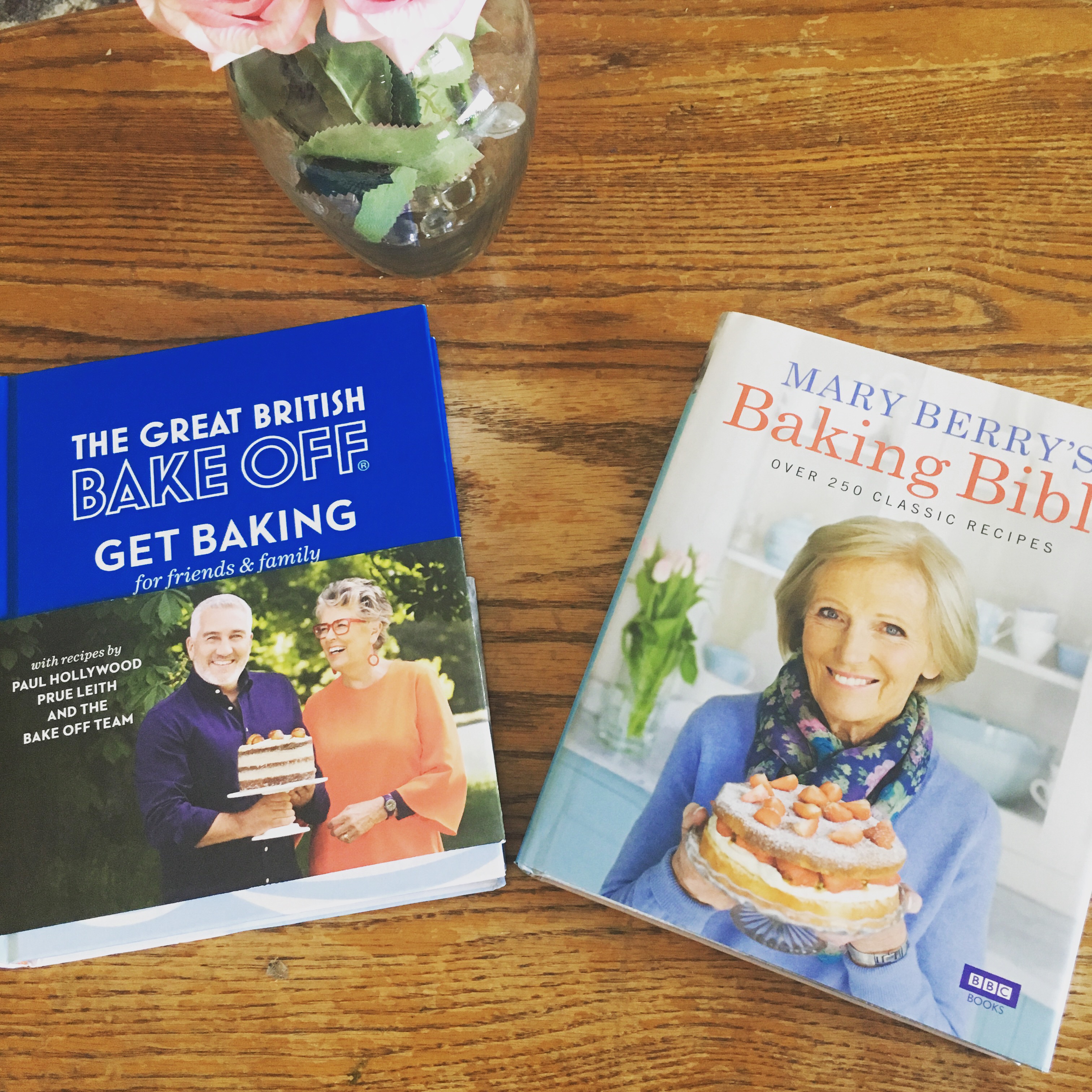
This birthday was definitely one to remember! I had also received in the mail from my parents and my sister two different GBBO inspired cookbooks. One was Mary Berry’s Baking Bible and the other were a consolidation of the recipes baked in Season 8 of the show. I was very excited to receive these gifts. I can’t wait to start baking with them!

2BAB0B12-B995-4305-A94E-A644C934B8B5

An old favorite, Mary. Apricot Couronne. I hope they don’t mess with my recipe. The first thing they have got to do is prepare the dough. Once it’s risen, they have to roll it out into a rectangle, then they smother the filling on top. Now, this is the tricky bit. Once the filling has gone in, what they got to do is cut right down the middle of the length of the bread dough itself and expose all the interior and then just twist it together, and then join it together to form a halo.” Paul Hollywood Season 2, Episode 6

I was not too worry about this challenge at all. The basics of this sweet bread resembles my Mother’s beloved Nut Wreath that she makes for Christmas and Easter, except with different fillings.

The recipe itself asks to hand mix the dough together with your hands and to work it through past the wetness until it forms a nice soft dough. This was established quickly enough and then allowed to rise whilst I got the filling made.

F7E0E17F-4D1E-41F9-BFA7-F011E5A24ED8

The filling was a combination of butter, brown sugar (or what the British call “muscovado sugar”), dried apricots (which have been chopped and soaked in orange juice), raisins (I really would have loved to omit this ingredient…) walnuts, orange zest, butter, and a bit of flour. Again, really simple to combine together. I was thanking God that I had my trusty kitchen scale to assist in the measurements.

77A5243F-D8C9-40FD-8F01-027C4413A1CD

Once the dough had time to rise, I rolled it out into a rectangle taking care not to knock out too much air. After evenly spreading out the filling on the dough, I rolled it up and sliced the dough down the middle. I rotated the two ropes of dough and filling so that the cut sides were facing up and twisted the two together. I then formed the crown and gently lifted the entire thing on a baking pan to rise for another thirty minutes.

89D9A3DE-051C-4FA4-AF7A-8F6422085177

After baking in the oven for the allotted time, I brushed a bit of warmed marmalade over the crown and drizzled the icing. The final touch was the sprinkling of the sliced almonds over the top. The Couronne looked so beautiful and magnificent! I’m not entire sure that I rolled the dough out enough, since my Couronne resembled less of a crown and more of a tight plait. However, the shape of the sweet bread did not affect the taste. It was absolutely delicious and goes perfectly with a cup of coffee.

44ec3bd9-e0b9-4609-88fb-18410d404d72.jpeg

Apricot Couronne

Via PBSfood.com

Ingredients

For the dough

250g strong white bread flour, plus extra for dusting

5g salt

7g instant yeast

50g unsalted butter, softened, plus extra for greasing

135ml milk

1 egg, lightly beaten

For the filling

90g unsalted butter, softened

70g light muscovado sugar

120g ready-to-eat dried apricots, chopped and soaked in orange juice

35g plain flour

60g raisins

65g chopped walnuts

1 orange, zest only

To finish

50g apricot jam

200g icing sugar

25g flaked almonds

Directions

1. Tip the flour into a large mixing bowl and add the salt to one side of the bowl and the yeast to the other. Add the butter, milk and egg and mix to combine, using your hands. Continue to mix until you’ve picked up all of the flour from the sides of the bowl. Use the dough to clean the inside of the bowl and keep going until you have a soft dough.
2. Tip the dough onto a lightly floured work surface and begin to knead. Keep kneading for 10-12 minutes. Work through the initial wet stage until the dough starts to form a soft, smooth skin.
3. When the dough feels smooth and silky, put it into a lightly oiled bowl. Cover the bowl with a tea towel and leave to rise for one hour, or until doubled in size.
4. While the dough is rising, make the filling. Beat the butter and muscovado sugar together until smooth. Drain the apricots and add to the butter mixture along with the flour, raisins, walnuts and orange zest. Mix to combine.
5. Line a baking tray with baking parchment or silicone paper.
6. Turn the risen dough onto a lightly floured surface. Taking care not to knock the air our of it, roll out the dough into a rectangle, approximately 33×25 cm/13×10 in, Turn the dough 90 degrees if necessary, so you have a long edge facing you. Spread the apricot mixture evenly over the dough. Roll up the dough tightly (like a Swiss Roll). Roll it slightly to seal, then cut it in half lengthways (you can leave one end joined to help you twist the dough and form the circular crown).
7. Twist the two dough lengths together to make a rope, then join the ends of the rope to form a circular ‘crown’. Transfer to the baking tray.
8. Put the tray inside a clean plastic bag and leave to prove for 30-45 minutes, or until the dough springs back quickly if you prod lightly with your finger. Meanwhile, heat the oven to 200C/400F/Gas 6.
9. Bake the couronne for 25-35 minutes, or until risen and golden-brown. Set aside to cool on a wire rack.
10. Gently heat the apricot jam with a splash of water, then sieve it and brush it over the warm loaf to glaze. Mix the icing sugar with enough water to make a thin icing, drizzle over the loaf and sprinkle with the flaked almonds. Leave to cool before serving.


C8BA993B-4A3B-4350-97C9-987F9219A65B


Uncategorized

The English Custard Tart Challenge

I have never had very bad allergies before. However, since moving to Texas I am constantly sneezing, have watery eyes, and a sore throat. Most of these symptoms have been relatively manageable. Except for this past week. Last Saturday morning, I woke up to a massive pressure headache, drippy nose, a bit of nausea, and a whole ton of phlegm in my throat. I stayed in bed for the majority of the day, while my husband bustled around making sure I had everything I needed for a quick recovery.

It’s funny the different ways Roydon and I handle being the nurse while the other is sick. My style is to make lots of homemade soups, and baked goods while being strict on his meds and water intake. Then to leave him to sleep while I quietly did my tasks. While I was down and out, Roydon asked me what I wanted from the store that we didn’t already have in stock. I had given him a few items to get like soup, ginger ale, and saltine crackers. After he was gone for about an hour, he returned with three different types of medicine, ten cans of soup, a 6-pack of vitamin water, two 2-liters of ginger ale, and a giant box of saltines. Needless to say, He took very good care of me and I was up on my feet by the end of the day.

Beautifully formed, it’s solid, the pastry is baked. You can see it’s got a beautiful color all the way around, no soggy bottoms. When you look at the custard, you can see its level, It’s got a slight wobble to it. But if I cut this open…The custard is perfectly cooked, it’s creamy and it’s smooth. Baked well, there is nothing better than a good custard tart.”  Paul Hollywood Season 2, Episode 4

I was pretty excited about this challenge, mostly because I’ve made a custard several times already and there’s no egg whites. To me it looked like a pretty straight forward pie. I gathered all of the ingredients which included ground almonds. This goes to show that I definitely learn from my mistakes. I purchased the slivered, blanched almonds from Sprouts and made sure the almonds were chopped up until it had a powdery consistency. The dough was all combined by hand, especially when breaking up the chilled butter and incorporating the egg (I’m all for playing with dough, but I hated the feeling of slimy egg.)

1f25bb52-0e5e-4243-bd8b-af3267a102eb.jpeg

Once the dough was resting in the fridge, the egg yolks were combined with the sugar which then was combined with the warmed milk.

65E6A06D-A158-4088-9EBA-04A542D0D7F3

Seeing how many of the bakers on the show had issues getting their tarts out of the pan, I heavily greased my cupcake pan with butter and then laid strips of parchment paper in each hole.

a8a28c45-ab1b-4019-a2b1-0068d4ca5bbe.jpeg

The hardest part was actually pouring the custard into each of the individual cups without spilling. I had poured all of my custard in a glass measuring cup because it had a lip to pour, but this failed me greatly and I ended up spilling a bit here and there.

With a sprinkle of nutmeg on top of each tart, they were relinquished to the oven for 25 minutes.

7B84ADB6-57E4-4A76-8BCE-6A080CA74921

When the timer went off, I was initially worried that the custard wasn’t baked through all the way. They wobbled quite a bit, but after gently touching the top of one and finding it firm, I decided that they probably needed to set a bit outside of the oven.

CEA4137D-3A00-49DE-90EE-2E2DECFB151F

I am pleased to report that when I was finally able to cut into a tart, the custard was nice and firm and did not leak out. They were extremely tasty as well.

1cafe2af-91db-4432-8bf7-1a02b50fbd2f.jpeg

There was a bit of custard left over as well as a bit of the delicious crème anglaise from the previous challenge. Since we gave away the rest of the tarts to Roydon’s coworkers, I was more than happy to make another batch!

5d8ab083-3987-4438-a1ca-103a582ed126.jpeg

Next Challenge: Apricot Couronne

Uncategorized

The Floating Island Challenge

I apologize for my two week long absence. Things have been a tad bit crazy, but believe me I have not gone these two weeks without baking. The week after I returned from visiting my family in Indiana, Roydon came home early from work and look absolutely horrible with a high fever, body aches, and fatigue.  He went straight to bed for a solid three days to recover and I happily played nurse for him. This included making another batch of English Muffins (I’m telling you, they are so fun and yummy!) as well as attempting to make French Onion Soup. I have always loved French Onion Soup with its saltiness and a healthy coating of Guyere cheese on top. What better way to help my patient recover? I found the recipe in a cookbook that I received from my parents during my Bridal Shower called The Cook’s Illustrated Cookbook. These have some of the scientifically best recipes ever! Including a Chocolate Chip Cookie recipe that turns out as good as bakery quality every single time!  I also made Chicken Noodle Soup and Roydon’s favorite Red Curry Coconut Chicken Soup. It was a week of soups.

I think I enjoyed having Roydon home from work a little too much, especially considering how miserable he was.  However, isn’t this what every wife lives for? I absolutely loved providing care and nourishment to my husband while he recovered.

A week later, Roydon was in Michigan for his job and I was busy with my various duties at the school where I work. Which left me very little energy to attempt the Floating Islands. However, this week I am on Spring Break which means I have no excuse to prolong the procrastination any longer.

They really look so delicate. The actual meringue itself, cooked right through, evenly…It really is a difficult technical bake. I think they’ll have trouble with that meringue.” Mary Berry, Season 2 Episode 3

Baking to me is a social event. It should be done with others. If you have kids, it’s a lesson in science, math, and a whole ton of patience. With that in mind, I brought Roydon in the kitchen to actively assist me in this bizarre dessert.

More egg whites. Seriously? Roydon and I watched this episode of The Great British Baking Show, keeping an eye on how the bakers poached their meringues. Roydon didn’t speak the entire time, and with a quick glance over to him I saw his eyes grow wider and wider in disbelief as to what we will be shortly attempting. I tried to assure him that it’ll be a piece of cake, but I wasn’t too sure about it myself.

FC2DEAB4-805A-4E30-BAA5-89DD0FA8143A

We got to work prepping all of our materials. Roydon used a food processor to grind up our normal size grains of sugar into more fine grains and I worked on separated the six eggs.

4BB3C2E2-83C4-4CB1-B694-F82431BFA412

Once that was all finished, I poured the egg whites into the bowl of my KitchenAid Mixer and got to work whipping them up. Once stiff peaks were achieved, we added a tablespoon of sugar at a time. Each time restoring the egg whites to its stiff peaks.

BBC19CCB-F395-4379-9311-01623AE76B03

In this episode, we had noticed that a method the bakers used to check if their meringues were stiff enough was by slowly turning the bowl upside down. If they were stiff enough, they would remain in the bowl. If they weren’t…Well, let’s just say, I really hoped they were.

A8BA63FE-04A6-4DAA-9CB2-DDCE0A7605D7

With the meringues finished, we combined the whole milk and the heavy whipping cream (or as they call it “double cream”) in a deep sided frying pan on a very low heat until it was simmering.

7354D8B4-8FEA-40D8-B8E6-38DB78D110BA

Before placing in the pan to be poached, the meringues needed to be shaped by using two tablespoons. This was no easy task, the meringues kept sticking to the spoon doing the shaping and would reattach itself to the meringue blob I was trying to shape. When I was somewhat satisfied with the shape, I slowly plopped each of them in the pan and covered it with a lid.

c6679a16-7860-4638-8eb7-2b4759690cc4.jpeg

The recipe said that if the milk ends up boiling, the meringues would puff up instantly only to later deflate. So, you had to be careful not to allow the milk to boil. Easier said than done. The stove top was on the lowest heat possible without turning it off and the milk still ended up boiling slightly. There was a moment of panic on my part when I took the lid off and found a giant mass of meringues plotting to take over the world. With a spoon, one by one I placed the blobs of poached meringues on a cooling rack. Once separated from each other, the blobs seemed to realize that world domination was impossible, and so they deflated slightly.

ABE16351-441E-448E-8FC0-6C1E645309B5

The next step was to create the Crème Anglaise. We placed the egg yolks in the mixer combined with some sugar and whisked it up until it was fluffy and pale. Before combing the whipped yolks with the poaching milk, we poured the milk through a strainer to remove any chunky bits of meringue. Once combined, the crème was placed back on the stove at a low heat until it was a bit thicker.

cf15c2bd-02e4-4a80-b084-d939a275ae3b.jpeg

Now for the spun sugar. Spun sugar seems a lot more daunting then it actually turned out to be. Basically, you pour some sugar in a stainless steel pot and cook on the stovetop at a medium heat. Here’s the challenge: do not stir the sugar. This was surprising difficult for me. Just let the sugar do its thing.

4B7E078A-F2BF-4975-A117-46756EB65A40

Once the sugar had completely melted and looked a beautiful dark golden brown. We took it off the heat and allowed it to cool slightly. Then, Roydon used a fork to dip it in the sugar and flick it back and forth over a greased rolling pin. The thing we found was how quickly the sugar cooled. Before long, the remainder of the sugar was stuck in the pan. Luckily, we had enough to decorate our Floating Islands.

97A8FF8E-CD2C-4314-A887-2F4B68CE1E1B

The spun sugar really did wonders to make the entire thing look so attractive. Before diving in to eat it, however, we had to make sure all of the strands of sugar was wiped off the counter and swept off the floor. It was definitely a messy recipe.

Finally, we were able to try the Floating Islands. I do have to say that I’m not generally a fan of meringue. I made Roydon a Pavlova for his Birthday and couldn’t get over the texture of it. However, in terms of Floating Islands, the combination of the crème anglaise, the egg taste of the meringue, and the caramel crunch of the spun sugar was absolutely a surprise. I especially loved the crème anglaise. I could have poured the entire pan in a mug and just drank the entire thing.

BADB000A-F966-482F-97C4-9A56EC1E5311

As much as we enjoyed the final product, Roydon and I both decided it was a lot of work for the outcome and so will probably never make it again. Except, I definitely can see myself making some more spun sugar to decorate cakes in the future…

B09BB132-EF36-42FD-8D4F-03D1EDA6DFF8

Floating Islands with Spun Sugar

Recipe courtesy of The Great British Baking Show

Ingredients

For the crème anglaise

300ml/10 ½ fl oz whole milk

300ml/10 ½ fl oz double cream

1 tsp vanilla bean paste

6 free-range eggs, yolks only

100g/3 ½ oz caster sugar

For the Meringues

6 free-range eggs, whites only

150g/5 ½ oz caster sugar

For the spun sugar

100g/3 ½ oz caster sugar

Directions

1. To prepare the poaching liquid (and what will become the crème anglaise), heat the milk and cream in a large lidded pan or deep-sided frying pan. Stir in the vanilla bean paste and bring to a simmer over a low heat.
2. For the meringues, in a large grease-free bowl use an electric hand whisk to whisk the egg whites together on fast speed, until stiff peaks form when the whisk is removed. Add one tablespoon of the sugar to the egg whites and continue to whisk until the mixture comes back to stiff peaks. Keep adding sugar one tablespoons at a time until 150g/5 ½ oz has been used, and the meringue is thick and glossy.
3. Using two large tablespoons or serving spoons dipped in cold water, shape six large quenelles from the meringue mixture and place in the poaching liquid, over a very low heat for about 9-10 minutes, flipping the quenelles halfway through. Cover the pan with a lid while poaching. Make sure the poaching liquid doesn’t boil or the meringues will puff up then collapse.
4. When the quenelles are really puffed up and cooked, transfer them to a wire rack to drain.
5. For the crème anglaise, pass the poaching milk through a sieve into a large jug.
6. In a large bowl, whisk the egg yolks and caster sugar together until pale and fluffy. Pour over the warm poaching milk. Whisking continuously. Pour the mixture into a clean heavy-based pan and cook over a very low heat for 3-4 minutes stirring continuously until smooth and thick enough to coat the back of the spoon. Remove from the heat and set aside.
7. For the spun sugar, melt the sugar, without stirring, in a small stainless steel pan over a medium heat. Grease a rolling pin or knife steel with oil. Take care as the sugar will be very hot. When it turns a dark golden-brown remove from the heat. Leave to cool slightly, then, using the back of a fork, flick the caramel backwards and forward over the rolling pin or knife steel. Gather the strands into rough ball shape and place on a sheet of parchment paper.
8. To serve, pour a little crème anglaise into each serving bowl and float a quenelle of meringue on top. Decorate the quenelle with a ball of spun sugar.

Next Challenge: English Custard Tarts


Uncategorized

The English Muffin Challenge

I spent the past week in Indiana with my amazing family. My sister Catherine was having a baby shower in Ohio and there I was able to catch up with a good amount of the rest of the family. Some of you may not know, but I come from a family of 11. Most of them live in either Indiana or Ohio, the rest are spread out in Colorado, Kansas, and Missouri.

A2294A84-03B5-41C4-ACF4-85229A7B8034

Since moving to Texas, I have missed my family desperately. They have always been my source of comfort and support. It has been really hard being so far away from them. Spending this week with them feels like I never left.  I was really excited to do this week’s challenge with my mom.  I was even more excited that this week’s recipe was a bread recipe, aka NO EGG WHITES!

The ones that get it right will have that beautifully brown top, a brown bottom. It’ll be white around the edges. The texture is soft. It’s got a good crumb structure on there. It’s braked all the way through. Let’s see who’s going to use their nous and make some perfectly formed English Muffins.”

~Paul Hollywood (Season 2, Episode 2)

I was really excited to bake these English Muffins, mostly because of how they are baked. They are not baked in an oven like normal breads but on a stove top griddle. This is called a dry-fry. The recipe itself calls for strong bread flour. Since I was at my parent’s house without a car, I was wondering if I could get away with using all-purpose instead of bread flour. I mean, it’s in the name isn’t it? However, a fun tidbit I learned is that bread flour has quite a bit more gluten than all-purpose. And with this recipe, where the kneading takes about 10 minutes, developing gluten is extremely important. So, I decided not to risk it.

5307c350-ebc2-4b73-aa20-3712c09f519a.jpeg

I went to the Kroger just down the street in search of bread flour. I found that only one brand had it on the shelf, and it was twice the price of normal flour. I picked up a bag of the King Arthur’s Bread Flour, which I always hear bakers praising this brand of flour, and was eager to give it a try.

After dinner, I got to work putting together the sparse ingredients. I didn’t have my weight sensitive kitchen scale. Instead, I borrowed my dad’s mail scale, which was helpful except for measurements less than 10 grams. There was a little bit of guess work. After combining the ingredients, I gently dumped out the dough to start the long process of hand kneading the dough. After watching the episode with Mom, I knew exactly how the dough was eventually supposed to look. It was hard work. The enriched dough was extremely wet and hard to work with, but I continued kneading determined to get the dough right. 10 minutes came and went…20 minutes…and still the dough was not where it needed to be. Mom tried her hand at kneading the dough. Quite a few minutes later, we decided that it’s as good as its going to get. I then placed the dough in an oiled bowl and covered it to rise for an hour.

3550EDDE-F3D2-4B7B-9273-CBE7DC46094B

After an hour, we checked on the dough. It was supposed to have double in size. It had not. It barely rose at all. A little disheartened, we decided to give it a little longer. It was a little chilly in the kitchen so we preheated the oven for 170 degrees Fahrenheit to create “proofing drawer”. We stuck the dough inside and allowed it to be for another hour. At this point it was 11:30 at night and Mom had gone to bed.

ADE188AD-C9B3-48D7-B8FA-DADFF08CBCD8

The hour showed a slight rise, but now I figured it was time to get the rest of the bake done since there was still another half an hour rise to go. I gently tipped the dough out on a floured surface and rolled it out to the desire thickness. I then used the rim of a mug to cut out the round shapes. I placed each shape on a prepared pan that had been coated with a combination of flour and semolina, or I used cornmeal. I then covered the pans again and left alone to rise for half an hour.

56949EBB-EDF8-4BD2-842A-A074BD105E6F

They still seemed pretty flat when I was ready to put them on the cast iron pan, but I was exhausted and ready for bed. I preheated the pan at a low temperature. The low temperature ensures that the inside of the dough gets cooked at the same time as the outside does. Undercooked dough is a sin to all bakers! Each side took about 8 minutes to bake, and after a bit of trial and error I found the perfect temperature.

77d539e8-1218-4cec-974c-19a4c67b792f.jpeg

I was excited how they were turning out, all though I wish they were thicker. Despite their thinness, they did puff up quite a bit from their original state as they baked.

When I served them up the next day for breakfast, they were discovered to be a bit salty, which I took to meant that I added too much salt and the salt stunted the growth of the yeast, hence no rise.

School was cancelled because of a slight snow storm which meant the entire family was home with me. I decided to give the recipe another try. This time I converted the smaller grams into teaspoons to get a better feel for how the recipe should be. The other change I made was to have the mixer do the kneading. The dough came out smooth, more like how it should have looked. After an hour to rise, the dough was looking beautiful. Together, my Mom and I worked on cutting out the shapes again. After another half an hour, I tried the dry-fry again. These were now a lot puffier than my first batch. I was so happy with them; they ended up looking like the ones you buy from the store. How crazy is that!

This was such a fun challenge to do. I highly recommend giving it a try. All of the ingredients use pantry staples and the bake is so satisfying to watch them rise as they are gently fried.

F47489EF-E47D-4012-BA47-D8A4AFD8731D

Next Challenge: Floating Islands

English Muffins

Recipe courtesy of The Great British Baking Show via PBSfood

Ingredients

300g/10 ½ oz. strong white bread flour, plus extra for flouring

6g fast-action yeast

6g salt

15g/ ½ oz. caster sugar

15g/ ½ oz. softened butter, cut into small pieces

1 medium free-range egg (about 22g/ ¾ oz.), lightly beaten

170ml/6fl oz. milk (should make a soft dough – you can add up to about 30ml/1fl oz. extra if needed)

Oil, for greasing

15g/ ½ oz. semolina or polenta, plus extra for dusting

Directions

1. Tip the flour into a large mixing bowl. Sprinkle the yeast on one side of the flour and the salt into the other side of the flour. Add the sugar, butter, egg and milk, and then mix all the ingredients together to form soft dough.
2. Turn the mixture out of the bowl onto a lightly floured surface and knead for 10 minutes, or until soft, smooth and stretchy.
3. Lightly grease a large bowl with oil. Place the dough in the oiled bowl, cover and leave to prove for about one hour, or until doubled in size.
4. Dust the work surface with a mixture of the semolina/polenta and flour. Tip the dough out onto the work surface and roll out to about 2.5cm thick.
5. Lightly dust two baking trays with half of the semolina or polenta.
6. Using a 9cm/ 3 ½ in straight-sided cutter, cut out eight muffins. Place four muffins, evenly spaced apart on each of the dusted baking trays. Dust the remaining semolina or polenta over the top of the muffins.
7. Leave to prove for another 30 minutes.
8. Preheat the hot plate or a heavy-based frying pan on the hob to a very low heat. Griddle the muffins for approximately 5-6 minutes, then flip over and griddle for another 5-6 minutes on the other side.

Equipment and preparation: you will need a 9 cm or 3 ½ inch straight-sided cutter

Uncategorized

The Angel Food Cake Challenge

My husband and I had a very relaxing, chill Valentine’s Day together. We both arrived home from our respective jobs, promptly ordered some Chinese take-out, and settled in to watch a romantic movie. It was my turn to choose a movie, and so I scanned Amazon Prime for a good romantic movie. I came upon The Time Traveler’s Wife. Now, I saw this movie maybe once before and remembered enjoying it at the time. I had also read the book when I was a freshman in College. I felt that this would be a perfect movie to watch together!

2812AF83-B0EF-4595-BB4E-AC216C9EE317

I must have remembered wrong. Throughout most of the movie, Roydon would give me a look and I would respond with “Don’t worry, it gets better” truly believing that it would get better. As we continued the movie, we watched as the time traveler acts like a creeper, pedophile to the little girl that would become his future wife. We continued watching as the wife encountered multiple miscarriages and the eventual and unavoidable death of her husband. The phrase “Don’t worry, it gets better” became a mantra in my head as the movie came closer and closer to the end. It didn’t get better. I think my movie choosing privileges have been revoked for the time being.

Besides the horrible, unromantic movie, it was an amazing Valentine’s Day! For dessert, I served this week’s challenge which was Mary Berry’s Angel Food Cake. As soon as I woke up, I started putting together the cake. A little apprehensive because, again, this recipe involved egg whites as the rising agent. And as you have already witnessed, I have the worse time with egg whites. You know what they say: “Practice makes perfect” or “Practice makes no difference”.

This is my perfect Angel Food Cake. Nice and tall. Absolutely even over the top. Beautifully light, evenly baked. They should know how to do it, but there are one or two points that they can go really wrong on.” ~Mary Berry (Season 2, Episode 1)


The first task was assembling all of the ingredients. I was happy to see that there were no odd special items. Basically, the only thing that could possibly go wrong is to over mix the egg whites which would deflate them. Or, I guess, I could also over beat the egg whites until they formed “stiff” peaks resulting in a very hard, rock-like cake. Of course, I could also under beat the eggs resulting in not enough air in the whites to fluff up the cake. OK, a lot can go wrong. It is me after all.

C035CD70-28E2-49AD-A0D2-60F8F6C33C04

I was taking no chances. I read and re-read the instructions several times. I watched the episode where the challenge was featured repeatedly. AND, as a bonus, I watch Mary Berry herself bake this cake by watching Masterclass! With all this prep, I was hoping to eliminate the errors of my ways.

CB4C2B88-1703-4A9C-9646-D601B7A5EAE4

The recipe itself seems pretty straightforward. Sift and combine the flour and some of the sugar together and set aside. In a separate bowl, I combined the egg whites, lemon zest, lemon juice, cream of tartar, and salt. These were whisked on high for a few minutes in my KitchenAid mixer until soft peaks formed. Then, one tablespoon at a time, I added the rest of the sugar. This time, the egg whites needed to have firm but not stiff peaks.

83A5D905-96B4-42ED-8045-58AE57540718

Now was the tricky part, gently folding in the flour mixture. A little bit at a time, I sifted the flour over the egg whites and gently folded it in using a technique that my sister, Monica, told me about. Once all of the flour was incorporated, I was ready to put it in the pan and place it in the oven.

For those of you that don’t know, I honestly had no idea until just now, but Angel Food Cake has a special pan. It resembles a bunt cake pan but without the designs on the sides and it has legs that extend out of the top. The reason for the legs is because once out of the oven, the cake is cooled upside down on top of the legs. This is a special cake pan, meant exclusively for Angel Food Cake. Why would I go out and buy the pan that I will, more than likely, use just this one time. It didn’t make any economic sense to me.

Mary Berry had a solution for me! Following her instructions, I constructed my pan using a spring form pan and an aluminum can. I filled the can with rice, cut a star-like hole in the middle of a sheet of parchment paper, and pulled it over the can in the spring form pan. It didn’t look pretty but Mary Berry said it’ll work the same and so, by gosh, I believed her!

EF68D894-AE08-4579-8132-9EA04728F00F

I gently pour the cake batter in to the self-made pan. Using a spatula, I spread the batter throughout the pan evenly. Now, into the oven it went for 50 minutes. While I waited, I mixed up a carton of heavy whipping cream with the vanilla extract. After whisking the cream to a fluffy consistency, I gave the whipped cream a taste. It tasted like whipped milk. Why don’t the Brits like their whipped cream sweet?! I added some sugar, whisked it a bit more, and tasted it again. Delicious!

Now, I know that Mary Berry had a lemon and passion fruit curd with her angel food cake. Believe me I have every intention of attempting the curd myself. However, after a busy week of substitute teaching, having absolutely no luck finding the passion fruit, and having some of that homemade raspberry jam from the Princess Cake still in the fridge, I decided to opt out of making the curd and use the jam instead.

Once the cake was baked, I had the task of flipping it upside down to cool. However, with no legs on the pan to place it on, I had to trust that the tin can would hold the cake. That came to another problem…the tine can was full of rice. So, how does one flip a can of rice upside down without spilling out the entire contents on the counter? I honestly couldn’t say, but somehow I was able to flip the cake upside down while keeping most of the rice in the can. There I left it, balanced on the can for an hour.

CB9365AC-A705-437C-B122-E1C98CED5CC0

I must’ve been having a lucky day, because tragedy did not strike during that time. I gently pried the cake out of the pan and decorated the cake with my whipped cream and raspberry jam. I also decided to use up the rest of our strawberries and decorate the top of the cake with them. It looked beautiful!

D3DF5FC5-ACE2-493F-AD62-963869CCB6E0

That evening we cut into the cake and enjoy a nice fluffy treat. Everything was delicious. Although, the critic in me would have liked a bit more rise to have occurred in the cake itself. My saving grace is that the cake still turned out fluffy and not like a dry piece of cardboard like previous egg white cakes.

828B42A6-4AB7-48DC-83ED-357932FEB3B9

Now it’s your turn! Give the cake a try! It wasn’t overall a difficult one to bake, especially if you have now problems dealing with egg whites. I would love to see what you come up with!

Next Challenge: English Muffins

Angel Food Cake with Lemon Curd

From BBC Food

Preparation time: 1-2 hours

Cooking time: 30 mins to 1 hour

Serves: 12-15, and makes two 350g/12oz jars of lemon curd

Ingredients
Continue reading “The Angel Food Cake Challenge”